Arabana: A Modern Arabic Font for Web Design
As a web designer working on a boutique online store, I was looking for a font that could bring cultural depth and visual flair to the site’s branding. Arabana, a modern Arabic style font, caught my eye with its elegant curves and intricate details. It felt like the perfect match for a brand that wanted to stand out while maintaining a sense of sophistication.
Arabana for Boutique Online Stores and Branding Projects
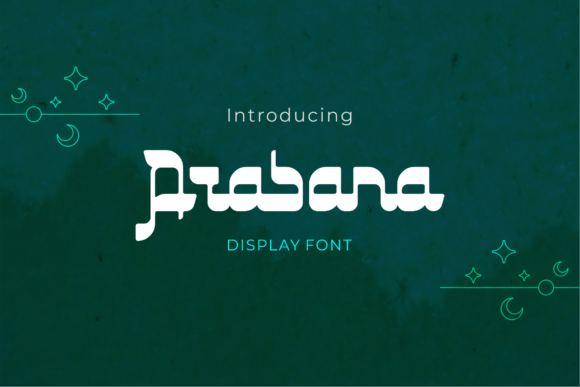
Arabana is a display font that brings a unique aesthetic inspired by Middle Eastern calligraphy and design. Its flowing lines and decorative elements make it ideal for headers, logos, and other visual elements where style matters. When I tested it on a product landing page, it added an instant sense of luxury and authenticity.
For a boutique online store, Arabana can be used in hero sections, product banners, and navigation menus. Its presence helps create a cohesive brand identity that feels both modern and rooted in tradition. The font pairs well with clean, minimal layouts, allowing it to shine without overwhelming the user experience.
Using Arabana in Hero Sections and Call-to-Action Areas
In a hero section, Arabana works best as a headline or subheadline. Its ornate details add visual interest without sacrificing legibility. When placed over a background image, it maintains clarity even at smaller sizes, which is crucial for mobile responsiveness.
I found that using Arabana for call-to-action buttons worked well when paired with a simple sans serif font for the supporting text. This combination creates a clear visual hierarchy while keeping the design from feeling too busy. For example, a "Shop Now" button with Arabana as the main text and a lighter weight font for the price tag made the layout feel balanced and professional.
Arabana for Creative Portfolios and Digital Brand Kits
When designing a creative portfolio, I wanted a font that could reflect the artist’s unique style. Arabana provided just that. Its cultural richness and modern appeal made it a standout choice for project titles, client logos, and section headings.
Arabana also works well in digital brand kits, especially when the brand has a Middle Eastern or global cultural influence. It adds a layer of authenticity that other fonts might not achieve. Whether it's used in social media graphics, email templates, or website headers, Arabana consistently delivers a premium feel.
Testing Arabana on Mobile Screens and Dark Backgrounds
One of my concerns was how Arabana would look on mobile screens, especially on smaller buttons or in dark mode. After testing, I found that it remains readable at most standard sizes. However, I recommend using a lighter weight or simplified variant for small text areas to ensure clarity.
On dark backgrounds, Arabana still holds up well, but I noticed that some of the finer details became less visible. To counter this, I adjusted the contrast slightly and used a subtle drop shadow to maintain legibility without compromising the font’s aesthetic.
Arabana for Coaching Websites and Course Sales Pages
For a coaching website, I needed a font that could convey professionalism and creativity. Arabana fit the bill perfectly. Its elegant curves gave the site a refined look, while its boldness helped draw attention to key messages and course titles.
On a course sales page, Arabana was effective for headlines and bullet points. It helped differentiate the content from standard body text, making the information more scannable. I also used it for section dividers, which added a touch of visual rhythm to the layout.
Pairing Arabana with Other Fonts for Balanced Typography
To avoid overloading the design, I paired Arabana with a simple sans serif font for body copy. This created a nice contrast that kept the layout from feeling too ornate. The result was a clean, professional look that still felt creative and engaging.
Another pairing I tried was with a serif font for blog headers. The combination gave the site a more editorial feel, which was perfect for a lifestyle coaching brand. The key takeaway was that Arabana works best when used sparingly and paired with complementary typefaces.
Arabana for Blog Headers and Promotional Landing Pages
When redesigning a blog, I used Arabana for the header and featured post titles. It added a distinctive visual element that made the content stand out. The font’s elegance helped reinforce the blog’s tone and style, making it feel more polished and intentional.
On a promotional landing page, Arabana was effective for headlines and key value propositions. Its decorative nature made the message more memorable, while its readability ensured that the content remained accessible to all users. I also used it for a limited-time offer banner, which helped create a sense of urgency and exclusivity.
Considering Webfont Availability and Licensing
Before implementing Arabana on any website, I checked its webfont availability and licensing terms. It’s important to ensure that the font can be used across different platforms and devices without violating any copyright rules. Arabana’s licensing options were clear and flexible, which made it easy to integrate into various projects.
I also looked into the available weights and styles to see how they could be used in different parts of the design. Having multiple weights allowed me to create a more dynamic typographic system, which improved the overall visual flow of the site.