Daisy Creative Font Review
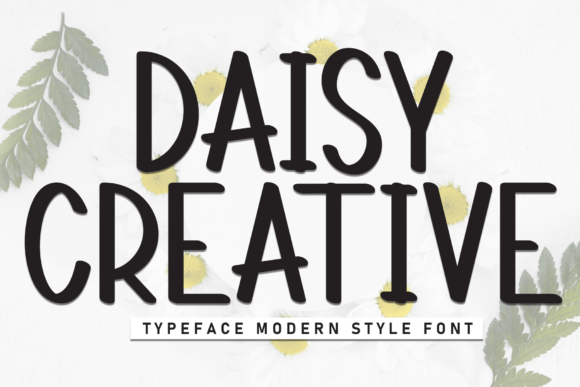
It was a quiet afternoon in the studio, and I found myself staring at a blank brand board, searching for a font that could bring warmth and personality to a new boutique identity. After testing several options, Daisy Creative stood out—not just for its visual appeal, but for how it felt when placed on a logo concept or paired with a brand board. As a display font, it exudes a playful and warm vibe that’s perfect for creating elegant wedding invitations and heartfelt branding.
Daisy Creative for Wedding Invitations and Elegant Branding
Daisy Creative is ideal for projects that require a touch of charm and authenticity. When I used it on a wedding invitation mockup, the handwritten style added a personal, intimate feel that felt right at home with the couple’s vision. The soft curves and subtle imperfections in the letterforms made each word feel like it had been written by hand, which is exactly what you want for a romantic or artisanal brand.
As a display font, Daisy Creative works best when used sparingly. It’s not meant for long paragraphs or body text, but as a headline or accent font, it can elevate a design with its unique character. In a branding project for a small boutique, I paired it with a clean sans serif for the body text, allowing the font to shine without overwhelming the overall composition.
Daisy Creative on Packaging and Product Labels
Testing Daisy Creative on a product label for a handmade skincare line was an interesting exercise. The font’s organic shape and gentle flow complemented the natural, eco-friendly aesthetic of the brand. On a packaging mockup, it added a sense of care and craftsmanship that aligned perfectly with the brand’s values.
However, I noticed that in smaller sizes, the details of the font can become less legible. For product labels or packaging that requires clarity, especially in retail environments, it’s important to test the font at actual size before finalizing the design. Still, when used effectively, Daisy Creative can make a product stand out on the shelf with its distinctive personality.
Daisy Creative for Social Media Graphics and Web Headers
In a recent social media campaign for a local café, I used Daisy Creative as the main heading for a promotional post. The font’s playful nature matched the café’s cozy, welcoming vibe, and it caught attention without being too distracting. On a website header, it provided a refreshing contrast to more rigid typography, making the site feel more approachable and human.
When working with web design, it’s essential to ensure that the font is available as a webfont. Daisy Creative likely offers this, which is a big plus for designers looking to maintain consistency across digital platforms. Its readability on screens also makes it a good choice for hero sections, banners, and other prominent web elements.
Daisy Creative for Business Cards and Print Assets
On a business card, Daisy Creative looked elegant and professional, especially when paired with a simple background. The font’s warmth gave the card a personal touch, making it feel more like a handwritten note than a standard business tool. However, I would advise against using it for dense text or in very small sizes, as it can lose clarity and impact.
For print assets like flyers or posters, Daisy Creative can be a strong focal point. It adds a sense of creativity and uniqueness that can help a design stand out. But again, it’s important to balance it with other elements—like a contrasting typeface or bold color scheme—to maintain visual hierarchy and readability.
Daisy Creative and Font Pairing Advice
One of the strengths of Daisy Creative is its versatility when paired with other fonts. For a more balanced look, I often pair it with a serif or sans serif font that provides structure and contrast. A classic serif like Georgia or a modern sans like Montserrat can create a nice dynamic without clashing.
When working with a script or handwritten font, it’s important to choose one that complements rather than competes. Daisy Creative’s gentle flow makes it a good match for other similar styles, but it also holds its own when paired with more geometric or structured typefaces. This flexibility makes it a valuable addition to any designer’s toolkit.
Before using Daisy Creative in client work, I always recommend testing it in different contexts. Create a few variations—on a shop sign, a packaging mockup, a business card, or a social media graphic—to see how it performs in real-world scenarios. This helps ensure that the font meets the project’s needs and aligns with the brand’s identity.
Finally, remember to check the licensing terms for commercial use. While Daisy Creative may be perfect for a creative project, it’s important to confirm that it can be used in client work, merchandise, or digital products without legal issues. Most premium fonts come with clear guidelines, but it’s always better to double-check.