Mini Tipsy: A Retro Font for Creative Projects
There I was, staring at a blank brand board, trying to figure out how to make a new café feel both nostalgic and fresh. The client wanted something that felt like a memory of the 70s but still had a modern edge. That’s when I pulled out Mini Tipsy. It wasn’t just about the font—it was about the mood it brought to the table.
Mini Tipsy for Nostalgic Branding and Playful Design
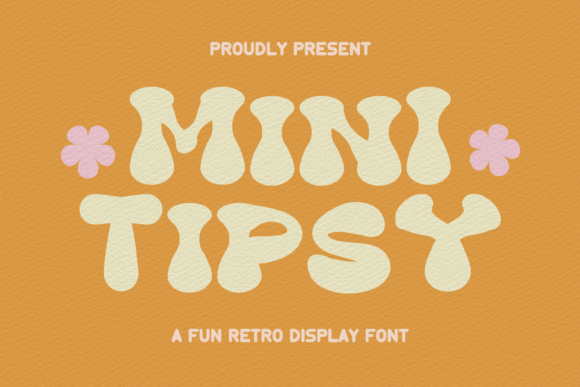
Mini Tipsy is a fun groovy retro display font that brings a vibrant burst of nostalgic charm and playful energy to any project. Its rounded edges and slightly uneven strokes give it a handcrafted, organic feel that feels right at home in a vintage-inspired design. I remember testing it on a logo draft, and it immediately made the whole concept feel more alive.
As a designer, I often look for fonts that can carry the personality of a brand without overpowering it. Mini Tipsy does exactly that. It’s not too loud, but it has enough character to stand out in a crowded market. Whether it’s for a café, a boutique, or a creative studio, this font adds a touch of whimsy that makes the brand feel more approachable and memorable.
Mini Tipsy for Logo Design and Brand Identity
When working on a logo, I always start with the typography. It sets the tone for everything else. With Mini Tipsy, I found that it worked well as a headline font, especially when paired with a clean sans serif. The contrast between the two created a visual balance that kept the design from feeling too chaotic.
I used it on a mockup for a small skincare brand, and it gave the logo a soft, friendly vibe that aligned perfectly with the brand’s mission of self-care and relaxation. The font’s unique curves made it feel personal, almost like a handwritten note, which helped build trust with the audience.
One thing I noticed is that Mini Tipsy works best when used sparingly. It’s a display font, so it shines brightest in headlines, titles, and short-form text. Using it for body copy would be a mistake—it doesn’t have the clarity or structure needed for long paragraphs. But as an accent or a primary typeface for logos and headers, it’s a game-changer.
Mini Tipsy for Packaging Design and Product Labels
Packaging design is where Mini Tipsy really comes into its own. I tested it on a label for a handmade soap product, and it added a sense of authenticity and charm that made the product feel more special. The font’s retro style gave it a vintage feel, while its playful energy kept it from looking outdated.
On a sticker mockup, it stood out against a plain background, drawing attention without being overwhelming. It also worked well on a shop sign, where it added a friendly, inviting presence. For a small business owner, that kind of visual appeal can make all the difference in standing out from the competition.
One tip I’d give to anyone using Mini Tipsy on packaging is to keep the rest of the design simple. Let the font take center stage, and don’t clutter the layout with too many other elements. That way, the font’s personality can shine through without being lost in the noise.
Mini Tipsy for Social Media Graphics and Digital Assets
Mini Tipsy isn’t just for print. I’ve used it on social media graphics, website headers, and even email templates. On Instagram posts, it added a fun, eye-catching element that made the content more engaging. It worked especially well for promotional banners and event announcements, where the goal was to grab attention quickly.
For a digital template, I paired it with a modern sans serif to create a clean, professional look. The combination gave the design a balanced feel—modern enough for a tech-savvy audience, but with a touch of warmth and character from the font.
Another thing to consider is the file formats. If you’re planning to use Mini Tipsy in a digital project, make sure the font supports the platforms you’re working on. Most display fonts like this come in multiple formats, including OTF and TTF, which are compatible with most design software and web applications.
Mini Tipsy for Editorial Design and Print Materials
Editorial design is another area where Mini Tipsy can make a big impact. I used it on a magazine cover for a local art exhibition, and it gave the whole piece a retro, artistic flair that matched the theme perfectly. The font’s playful nature made the cover feel more dynamic and engaging.
On a flyer for a music event, it added a sense of energy and excitement that complemented the overall design. It worked well with bold colors and abstract shapes, creating a cohesive visual language that told a story without words.
For printed marketing materials, I found that Mini Tipsy looked best when used in larger sizes. Smaller text could become hard to read, especially if the design was too busy. But when used thoughtfully, it added a level of sophistication and charm that elevated the entire piece.
Mini Tipsy for Client Work and Brand Consistency
When working with clients, one of the first things I do is test the font in different contexts. Mini Tipsy is versatile enough to work across a variety of projects, but it’s important to understand how it behaves in different settings. I always recommend testing it on mockups before committing to a full brand system.
It’s also worth checking what styles, alternates, and ligatures are included in the font. Some display fonts come with a range of options that can help customize the look without needing to switch to another typeface. This can be especially useful when designing for multiple platforms or audiences.
From a licensing perspective, I’ve found that Mini Tipsy is suitable for commercial use, which is a big plus for designers who need to deliver assets that can be used in real-world applications. As long as the license allows for it, this font can be a valuable addition to any design toolkit.