Sporetype Font for Bold Web Design
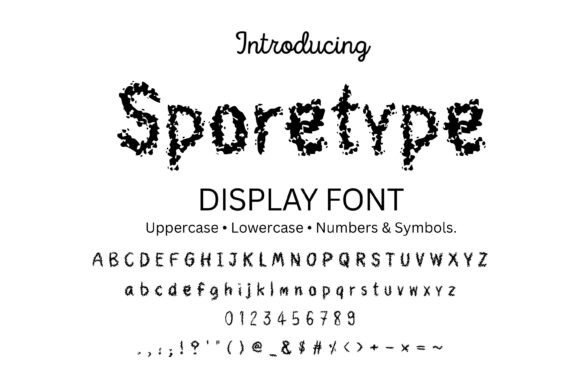
Sporetype is a gritty, splatter-textured display font that looks like ink spores scattered across the page—perfect for horror posters, Halloween invites, thriller book covers, game titles, stickers, and more. As a web designer, using Sporetype can add a unique visual punch to your digital projects, especially when you need to grab attention and set a mood.
Sporetype for Horror-Themed Website Headers and Hero Sections
Sporetype excels in creating high-impact headers and hero sections for websites with a horror or thriller theme. Its splatter texture adds a sense of chaos and unpredictability, which aligns perfectly with the tone of horror content. Whether you're designing a website for a horror movie, a spooky online store, or a dark-themed blog, Sporetype can make your headlines stand out and create an immersive experience for users.
When used in hero sections, Sporetype can be paired with dark backgrounds and bold colors to enhance its visual impact. It works well for CTA buttons that require a strong, attention-grabbing presence. The font's irregular texture also helps break up monotony, making it ideal for landing pages where visual interest is key.
Sporetype for Halloween Invites and Event Promotions
For event promotions, particularly those related to Halloween or seasonal themes, Sporetype can bring a sense of fun and creativity to your design. It’s perfect for digital invitations, social media graphics, and promotional banners. The font’s splatter effect gives a handcrafted feel, which can make your designs feel more personal and engaging.
When using Sporetype for event promotions, consider pairing it with simple, clean fonts for body text to maintain readability. This contrast ensures that your message remains clear while still benefiting from the dramatic look of the display font. It’s also useful for creating eye-catching headlines on banners and email campaigns that promote events or limited-time offers.
Sporetype for Game Titles and Digital Branding
Sporetype is a great choice for game titles and digital branding, especially for indie games or niche apps that want to establish a distinct identity. Its gritty texture adds a layer of depth that can help differentiate your brand from competitors. Whether you’re designing a logo, app icon, or website header, Sporetype can help reinforce your brand’s personality and aesthetic.
When used in digital branding, Sporetype can be effective for logos and taglines that require a strong visual statement. However, it’s important to balance its use with other design elements to avoid overwhelming the viewer. For example, using it as a secondary font in a larger design system can provide a subtle yet impactful touch without sacrificing clarity.
Sporetype for Creative Portfolios and Online Stores
For creative portfolios or online stores that cater to niche audiences, Sporetype can add a unique flair that sets your work apart. It’s ideal for showcasing artwork, design projects, or products that have a dark or edgy theme. The font’s texture can evoke a sense of authenticity and craftsmanship, which can resonate with customers looking for something different.
In e-commerce contexts, Sporetype can be used for product titles, banners, and promotional messages. It works best when used sparingly and in conjunction with more neutral fonts for product descriptions and navigation menus. This approach ensures that your brand’s message remains clear while still leveraging the visual appeal of the display font.
Sporetype for Web Design and Responsive Layouts
When integrating Sporetype into web design, it’s essential to consider how it performs on different screen sizes and devices. On mobile screens, the font’s texture can become less legible if not properly scaled. To maintain readability, use larger font sizes and ensure sufficient spacing between letters and lines.
For responsive layouts, test Sporetype at various breakpoints to ensure it maintains its visual integrity without compromising user experience. It’s also important to check how the font looks on both light and dark backgrounds, as its texture may appear differently depending on the contrast. Using it on image overlays can add depth and dimension, but it should be done carefully to avoid cluttering the design.
Sporetype for Digital Ads and Social Media Graphics
Sporetype is a powerful tool for digital ads and social media graphics, where visual impact is crucial. Its unique texture can help your content stand out in crowded feeds, making it ideal for promoting events, products, or services with a thematic angle. When used in social media posts, the font can create a strong first impression that encourages engagement.
For digital ads, pair Sporetype with bold colors and minimal text to maximize its visual effect. It works well for headlines, captions, and call-to-action buttons that need to convey urgency or excitement. However, avoid overusing it in long-form content, as it can reduce readability and dilute the message.
Sporetype for Brand Identity and Visual Consistency
Establishing a consistent brand identity is critical for digital creators, and Sporetype can play a role in reinforcing that identity. When used strategically, it can help create a cohesive look across all brand assets, from websites to marketing materials. This consistency builds trust and recognition, which are essential for long-term success.
For commercial use, ensure that you have the appropriate licensing for websites, client projects, and digital templates. Sporetype’s availability as a webfont can simplify integration into your design workflow, allowing you to maintain visual consistency across different platforms and devices.
Sporetype for Editorial and Packaging Design
While primarily a display font, Sporetype can also be used in editorial and packaging design to add a distinctive visual element. It’s suitable for magazine covers, book titles, and product labels that require a strong, memorable look. The font’s texture can give a tactile quality to digital designs, enhancing the overall user experience.
When combining Sporetype with other typefaces, choose complementary fonts that support its character without competing with it. A simple sans serif or serif font can provide balance, allowing Sporetype to shine as a focal point. This approach ensures that your design remains professional while still benefiting from the font’s unique aesthetic.